
Medievalism’s Changing Meaning
The Caves of SteelThe yearning to recover an idealized past shifts from a rejection of the City and robots toward a possible engine for colonization and change.
increasing Bearing strength in each event
 decreasing
Bearing strength in each eventdecreasingA Politics of the Past
A Politics of the Past
Nostalgia as refuge
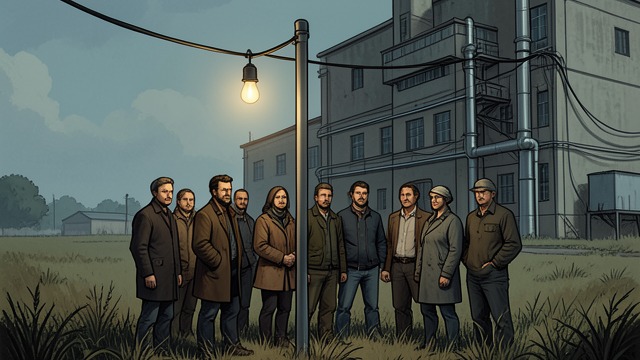
Medievalism gives Earthmen a way to imagine life before the City and before dependence on robots. Baley recognizes that many people romanticize an earlier world they never experienced.
Different forms of longing
Enderby expresses nostalgia through spectacles and open windows, while Jessie encounters it through meetings and old stories. The movement’s appeal is cultural as well as economic.
The past offers emotional shelter from a difficult present.
The Rejected Future
The Rejected Future
Return to Earth proposed
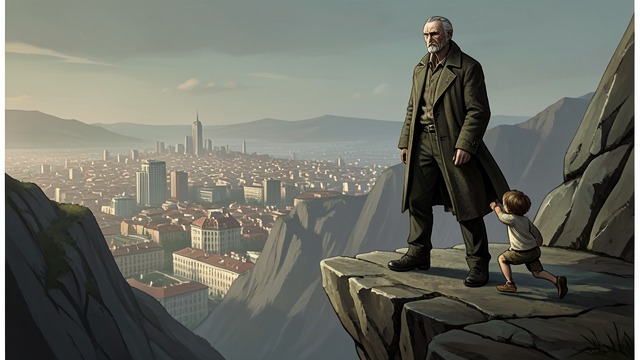
Clousarr argues for gradually leaving the City and restoring open-air life on Earth. He sees children as still recoverable from urban enclosure.
Limits exposed
Baley asks how Earth can feed billions through a return to older agriculture. Clousarr has no immediate answer, but rejects the suggestion that his ideals must be judged by short-term practicality.
Their argument shows that nostalgia can express both genuine critique and impractical hope.
The Romantic Impulse
The Romantic Impulse
An unexpected political resource
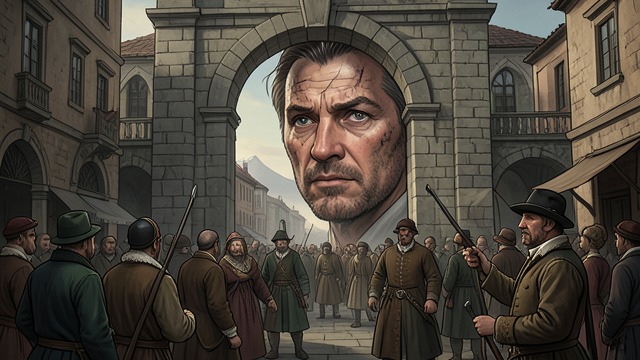
Daneel suggests that Medievalists possess a desire for pioneering, even if they initially direct it toward Earth’s past. The same longing might be turned toward unknown planets.
A movement made native
Spacetown’s withdrawal could leave Earthmen to reshape their own movement instead of resisting foreign pressure. The plan depends on persuasion rather than imposed reform.
Romanticism becomes a potential force for change rather than simple reaction.
Baley’s Conversion
Baley’s Conversion
A practical mind changes direction
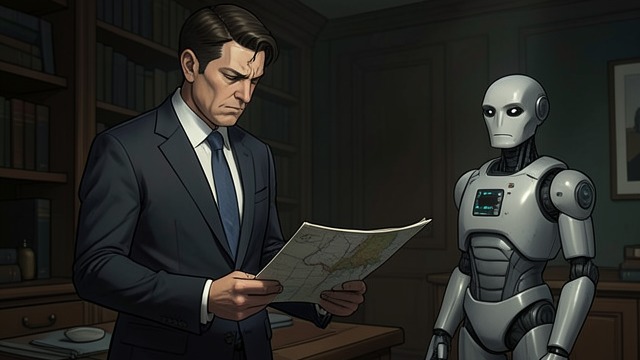
Fastolfe’s warnings about Earth’s fragility and the Outer Worlds’ stagnation unsettle Baley. He begins to see colonization as a practical possibility rather than a Spacer fantasy.
A personal argument
Baley later speaks passionately to Clousarr about new worlds and robots. His reasoning borrows from Fastolfe but has become emotionally his own.
Change arrives through experience, not a sudden ideological declaration.
A New Direction

A New Direction
Nostalgia redirected
Baley urges Enderby to tell the Medievalists that people can return to the soil on other planets. The phrase preserves their longing while changing its destination.
A speculative legacy
Colonization may let Earth retain its cooperative City culture while escaping enclosure. The proposal is hopeful but remains a plan requiring political work and generations of effort.
The past is no longer a place to retreat to; it becomes a springboard toward the future.
During Baley’s reflections on Earth culture
During Clousarr’s interrogation
During Daneel’s explanation of the Spacer strategy
After his conversation with Fastolfe and before the ending
At the conclusion, as Spacetown prepares to leave
